

News, Articles and Advice
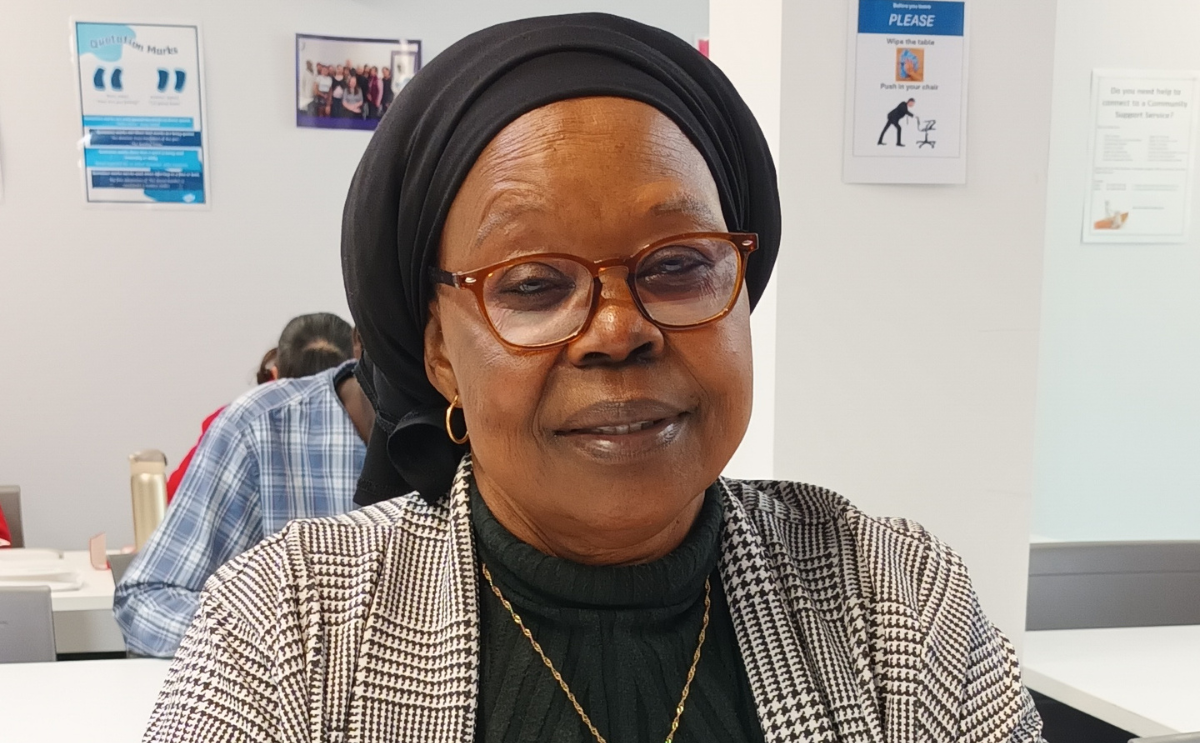
Celebrating Dina’s Journey into Employment Through the SEE Program
Dina’s employment success story through the Skills for Education and Employment Program

How the SEE Program helped Sarah navigate the Australian healthcare system
For many people, navigating the healthcare system can be overwhelming. For those facing language and literacy barriers alongside health challenges, it can feel nearly impossible. For Sarah, the Skills for Education and Employment (SEE) Program has been transformative, giving her the skills and confidence to advocate for her own health needs.
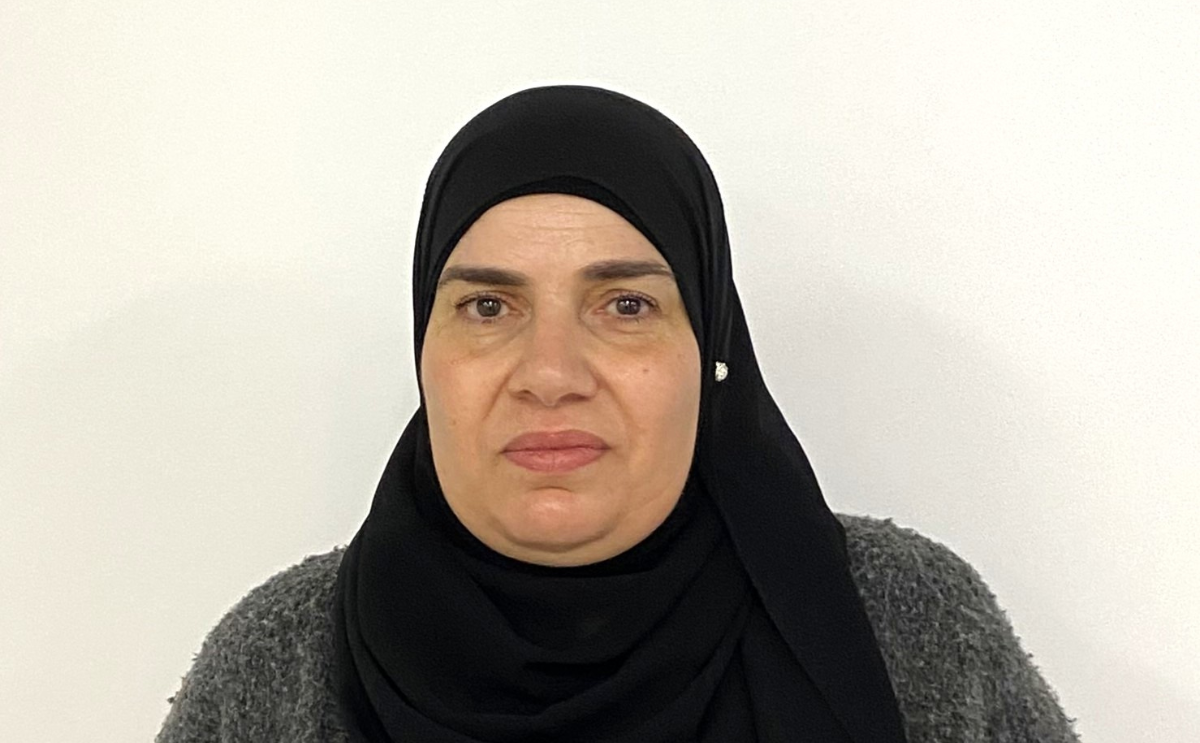
How Obaida built confidence through English communication skills
The Skills for Education and Employment Program, known as SEE, helps eligible people improve their language, literacy, numeracy and digital skills.
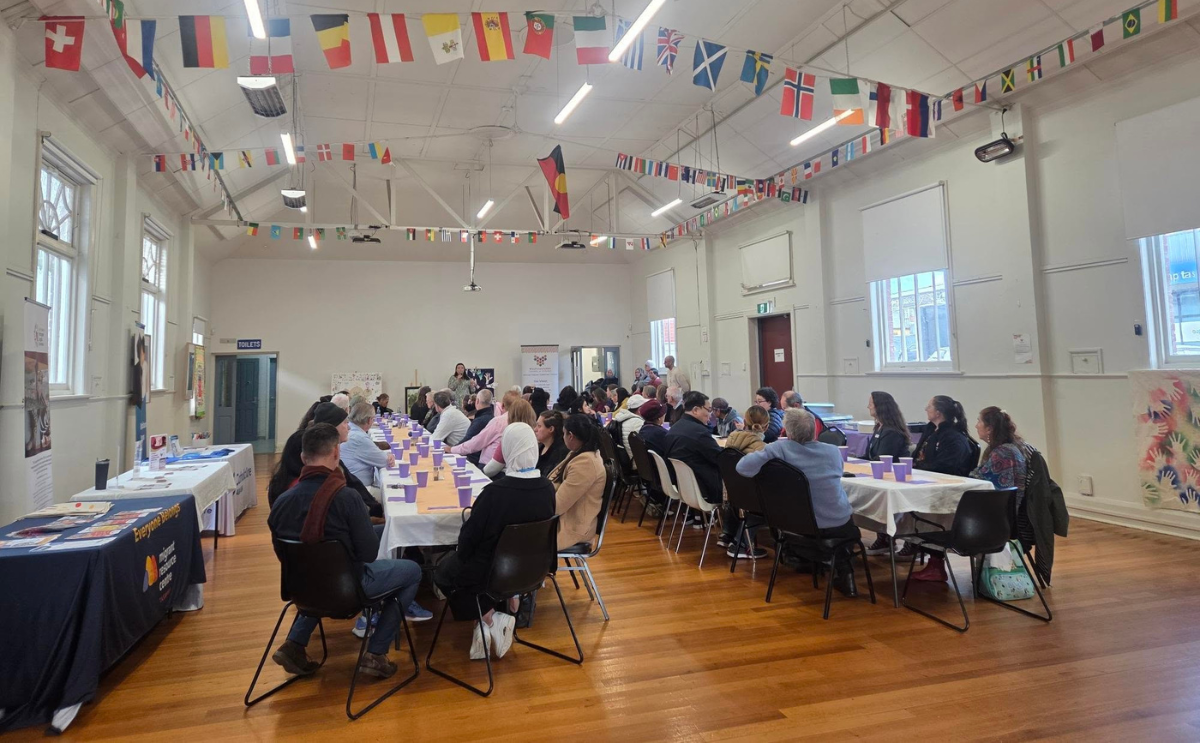
Connecting with community during Refugee Week
With many SEE participants coming from culturally and linguistically diverse backgrounds, the event was a valuable opportunity to connect with the broader community, learn about local support services, and build relationships with organisations that support migrants and refugees across Tasmania.

We raised over $3,000 for the Cancer Council!
We’re proud to share that our participants in the Skills for Education and Employment (SEE) Program in Mirabooka, WA recently raised over $3,000 for the Cancer Council!
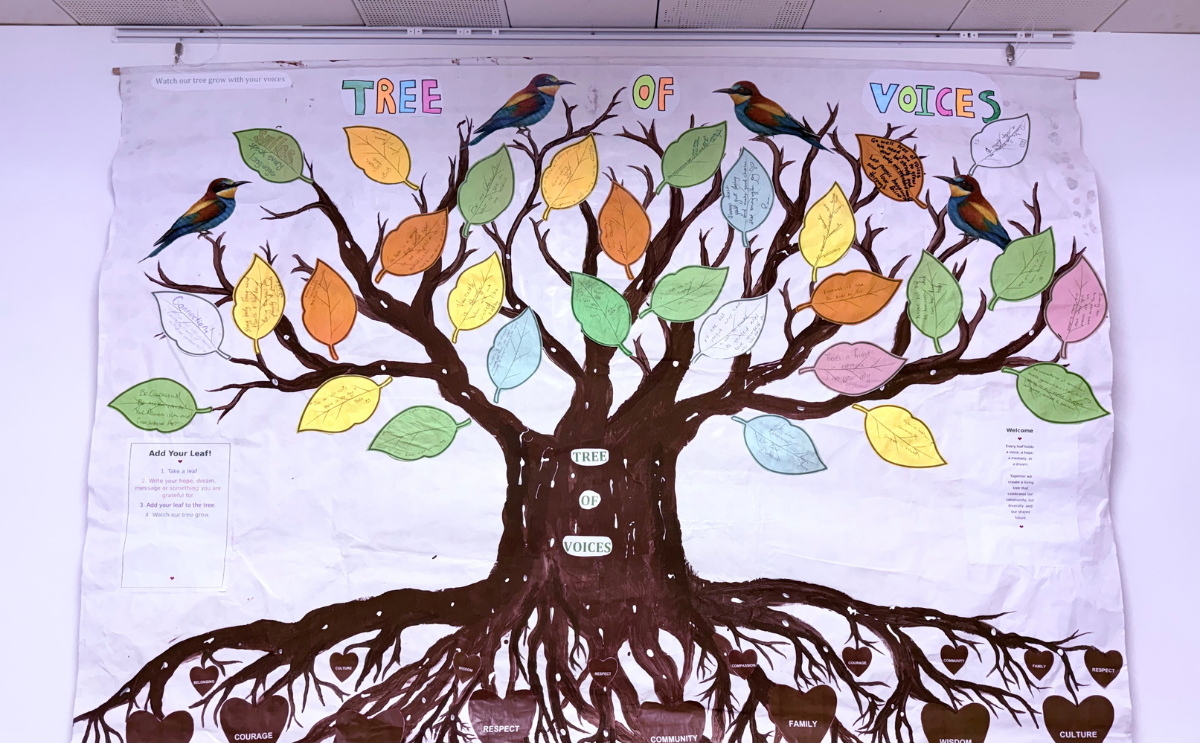
Tree of Voices Project
Our Adult Migrant English Program (AMEP) team and participants were proud to present their Tree of Voices project at the 15th Multicultural Services Expo, organised by the Multicultural Neighbourhood Centres.
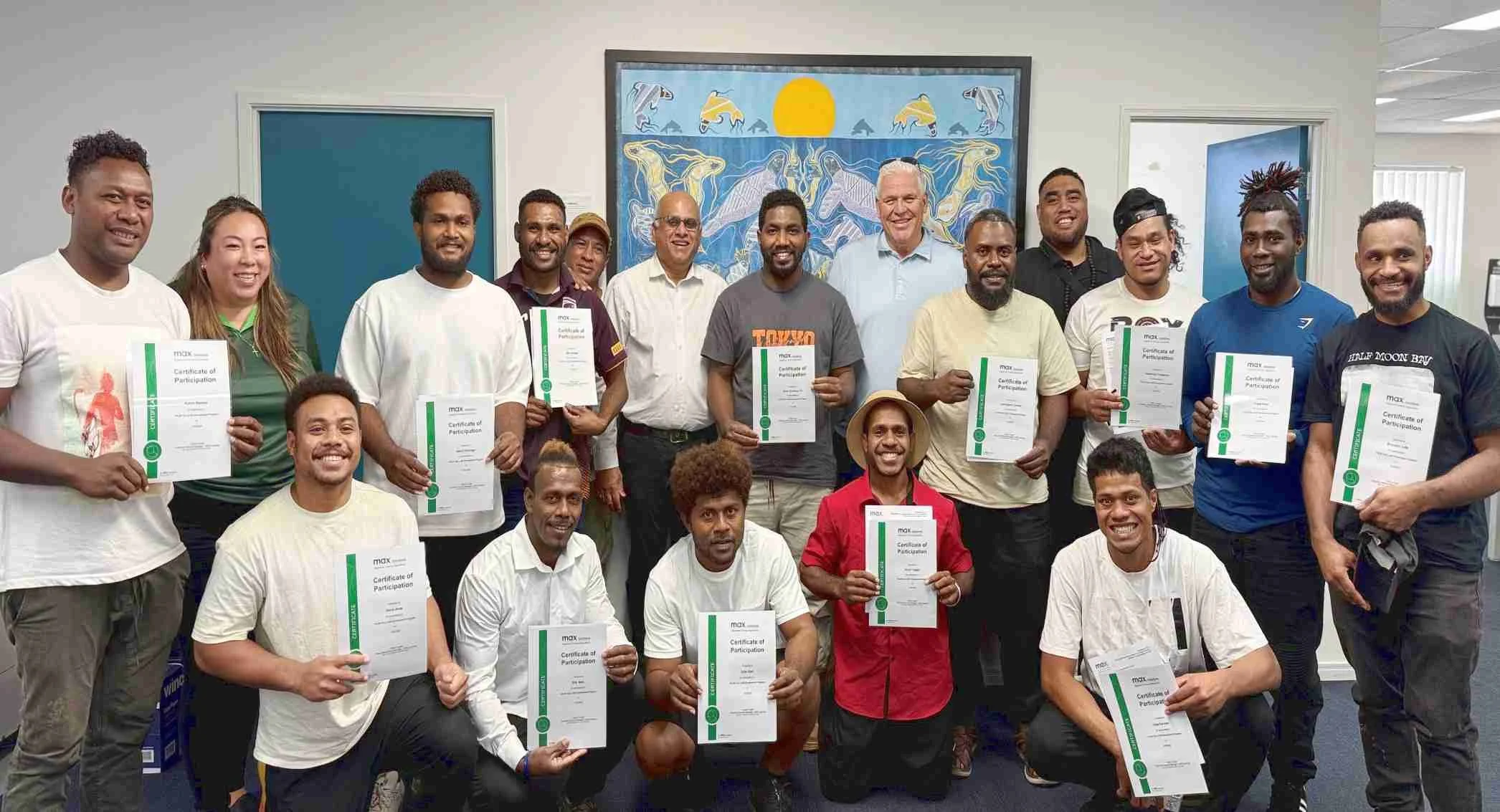
Primo Foods employees complete 10-week SEE workplace training
A huge congratulations to the Primo Foods employees who recently completed the Skills for Education and Employment (SEE program) Program Workplace-based Training project. Over 10 weeks, the program supported employees in Australia on PALM visas as they settled into their new lives, guided by their employer. Through classroom learning and hands-on activities, participants built practical English, numeracy, digital, and financial skills to increase confidence and independence.
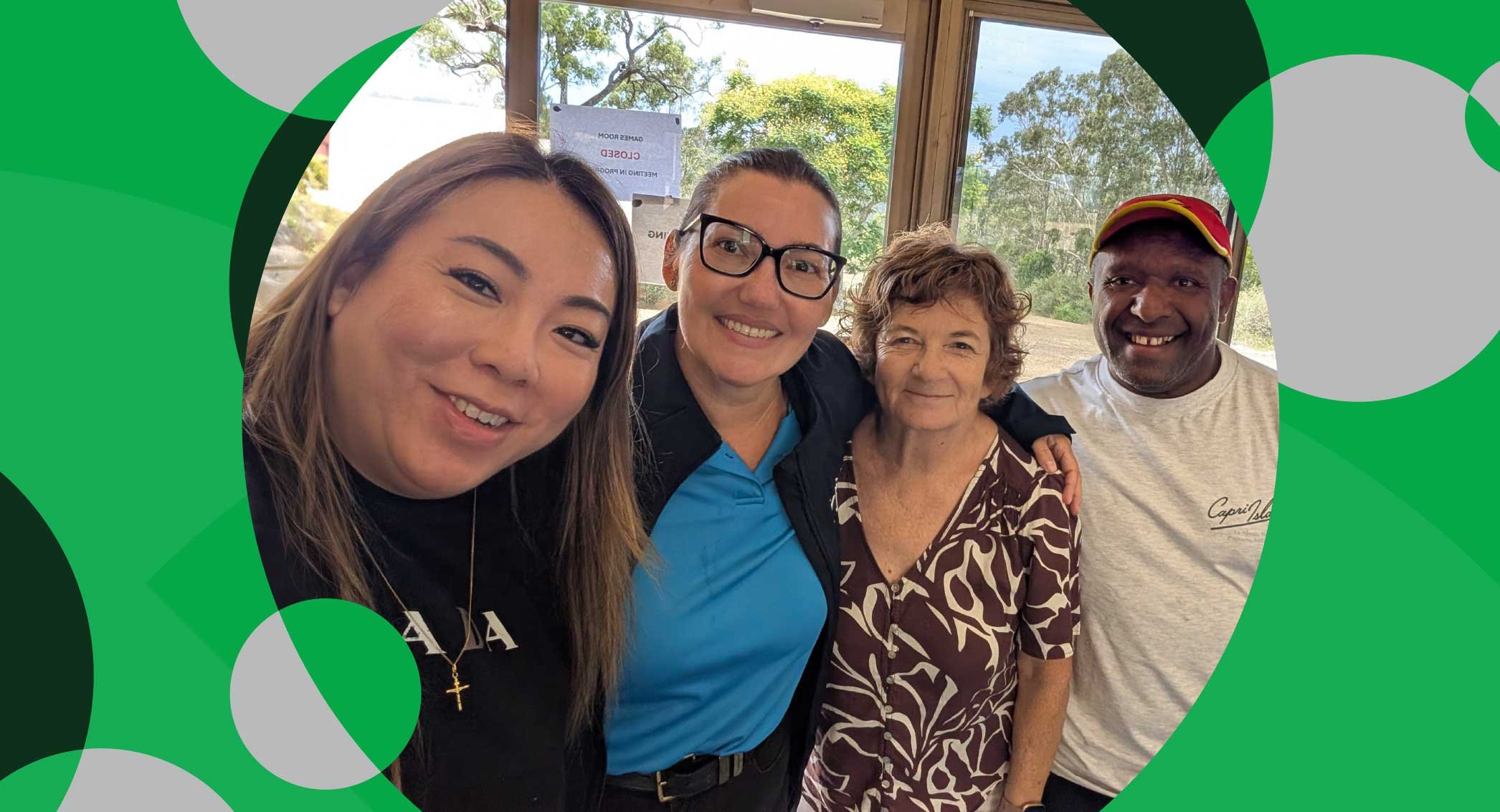
Workplace-based Training Project kicks off with JBS in Toowoomba
The training is tailored to real workplace needs at JBS Australia, with a focus on building practical, confidence-boosting skills participants can use on the job and beyond. Key learning areas include:
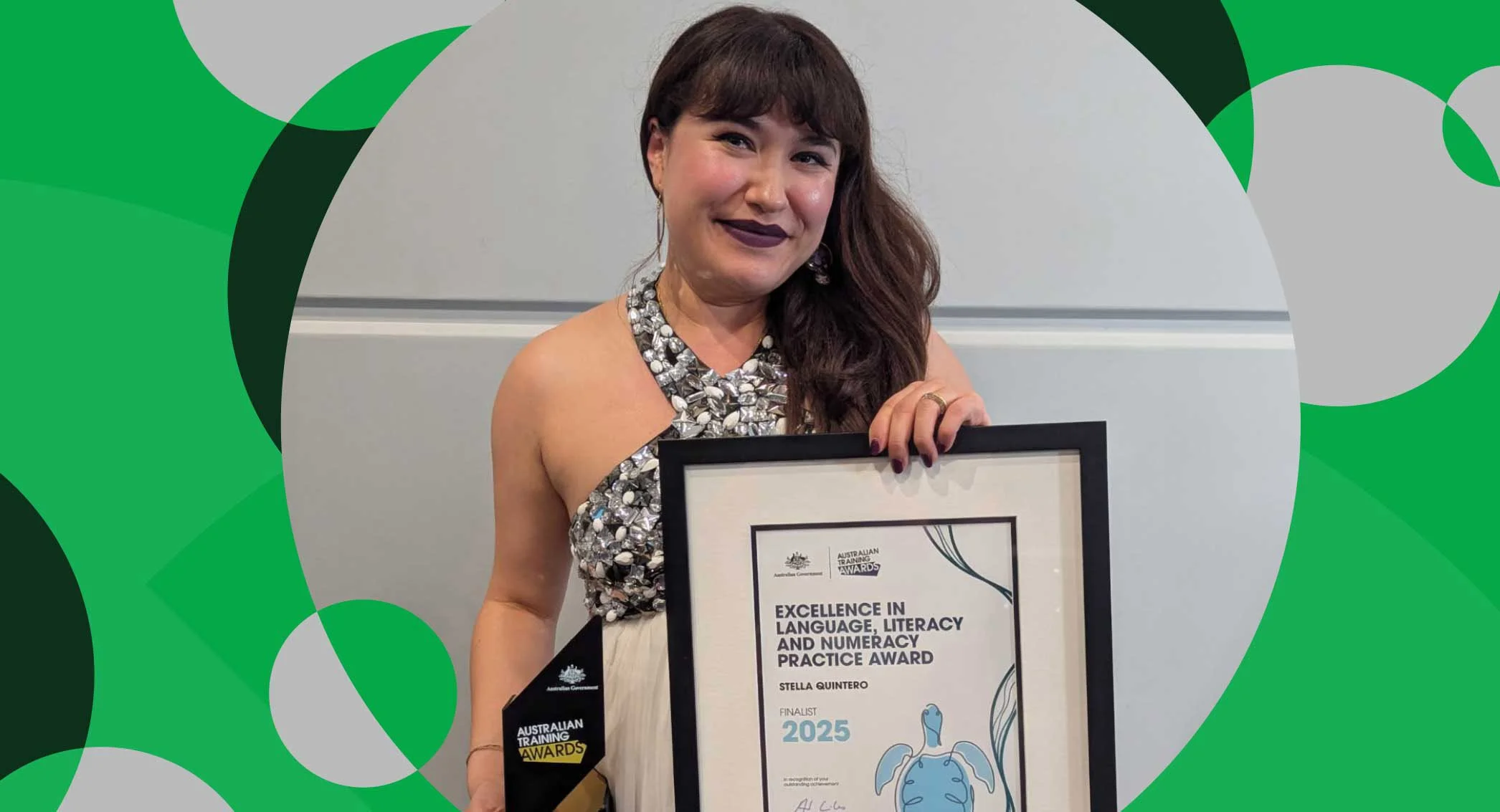
Bringing innovative teaching in Language, Literacy and Numeracy
Stella’s approach centres on helping students become independent learners who can progress on their own terms. Stella and the team assess each learner’s language, literacy, numeracy and digital skills before they begin training, then design a personalised learning path and track learners’ progress.

Skills to help you thrive in an automated workforce
While technical expertise ensures you can meet the demands of an increasingly automated workforce, your interpersonal skills will set you apart as a valuable contributor.

What soft skills are important for aged care workers?
Working with elderly people and their families to provide compassionate and effective care requires tapping into our emotional intelligence.

Should I study if I already have a job?
There are many reasons why you should think about studying a qualification that can lead to a better job, a more fulfilling life, or a more secure future.
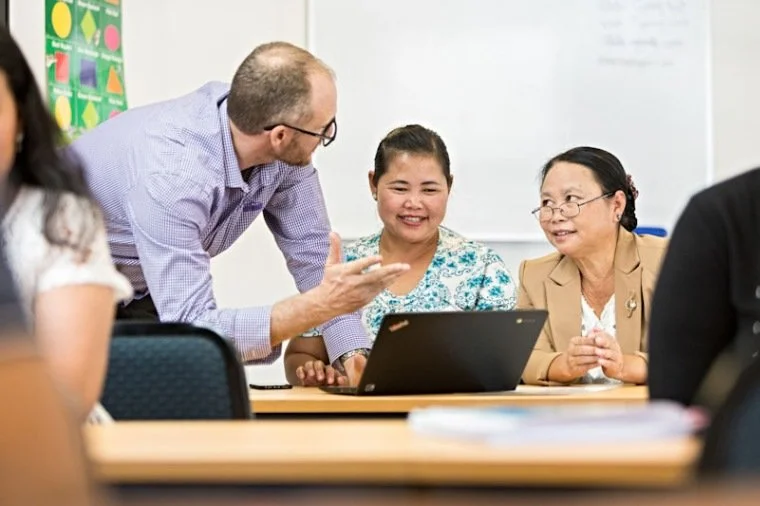
What is the difference between certificates, diplomas and degrees?
With so many different types of qualifications out there, it can be confusing trying to work out which is right for you.
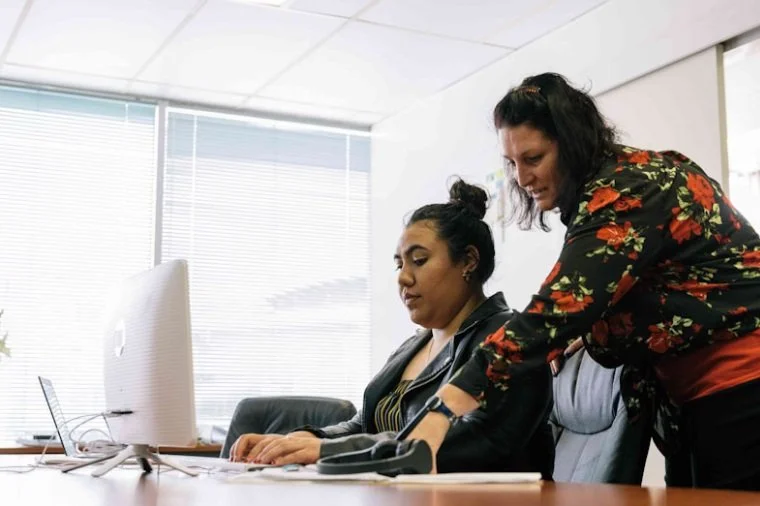
How to prepare for work placement
For many vocational qualifications a job placement will be required to complete your study. But its not just something that you need to tick off to get your certification, it is a vital part of getting you ready for the job and can be your foot in the door for your new career.
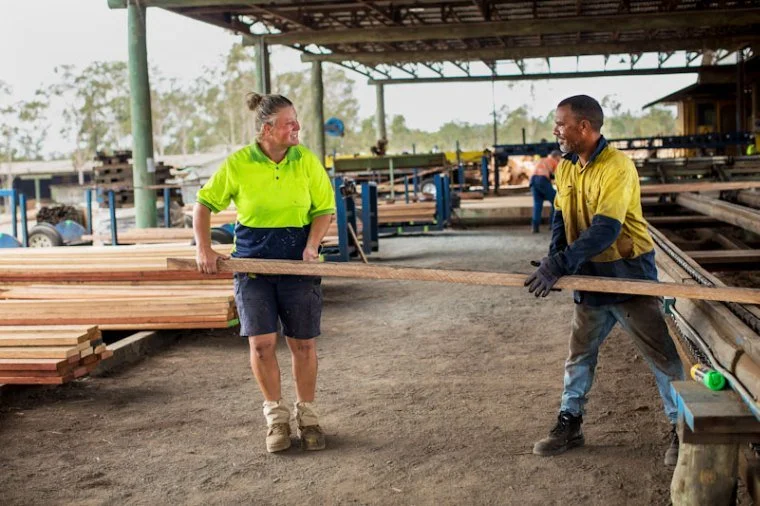
How does vocational education work?
If you have been thinking about a career change you may have considered some kind of training to help make you more employable.

How to study online effectively
Trying to fit study in around family commitments and work can be difficult. Thankfully, studying vocational education has become easier with the ability to study your qualifications online.

Why are interpersonal skills important when looking for work?
If you're looking for a job, remember that you have a lot to offer potential employers! Developing strong interpersonal skills can make you an attractive candidate. Interpersonal skills include things like active listening and effective communication.
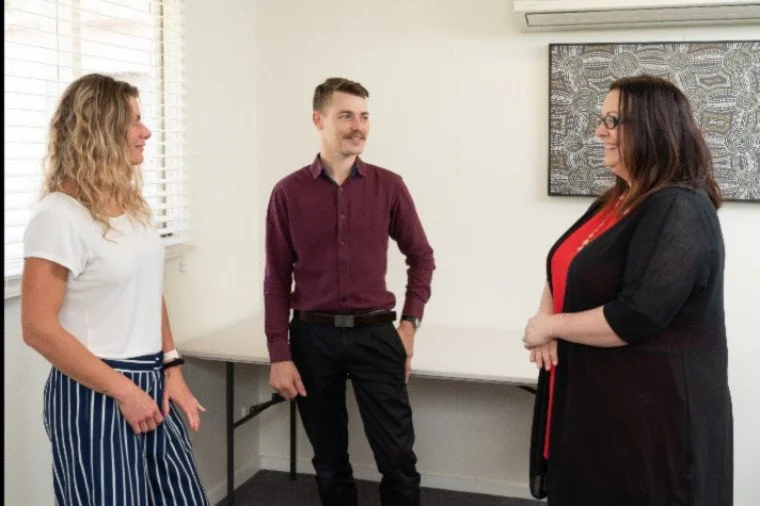
Communication skills in the workplace
No matter what job you have, communication skills in the workplace are so important.

What are soft skills
Soft skills are a measure of how you work and how you interact with others on the job. Soft skills are different from the technical skills you have likely written about in your resume.

What is on the job training?
To ensure their transition to your business is smooth, some form of on the job training is required. But what is on the job training and what are the best ways to deliver it?

Study with Max Solutions RTO
We deliver training across a range of levels, with a focus on understanding each student’s goals and helping them choose the right course to get there.