
Real SEE Program Results: How Foundational Skills Training Transforms Lives
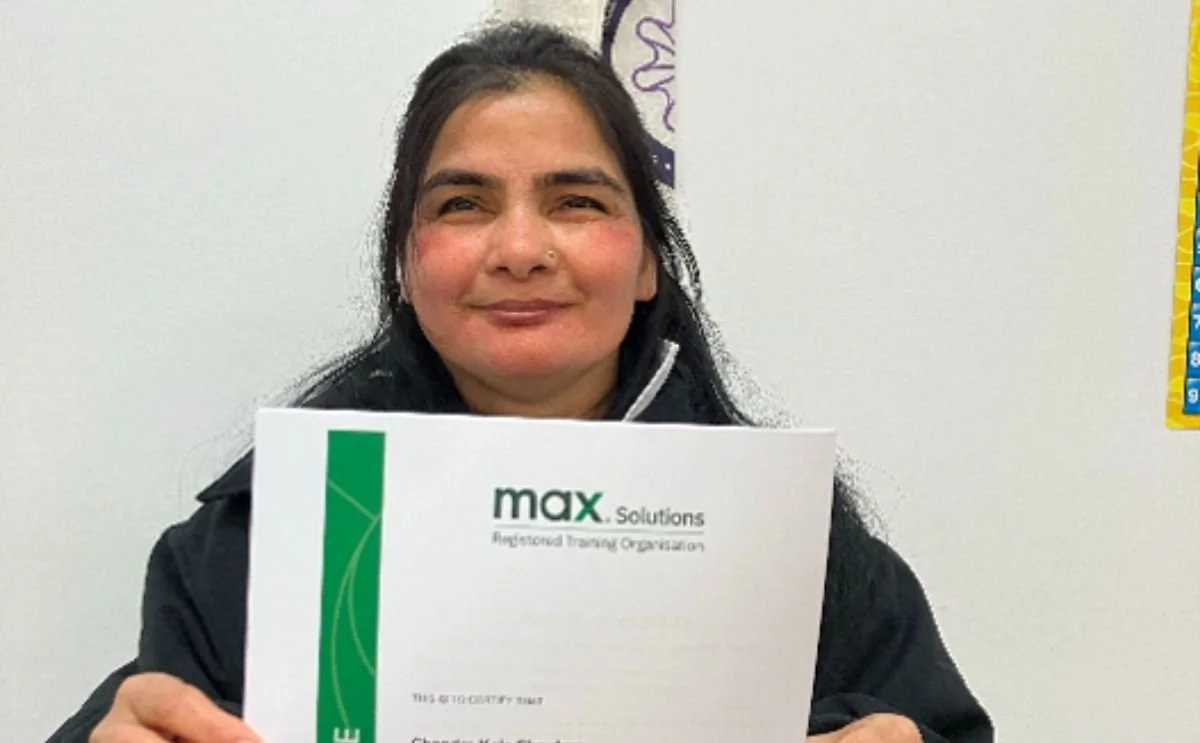
Three years ago, Chandra had never touched a computer, couldn't read or write, and didn't speak a word of English. Today, she texts her friends and family, works confidently with numbers, and holds a nationally recognised English language qualification.
Her story is not an exception. It is what structured, individualised SEE Program delivery looks like in practice.
The Barriers the SEE Program Is Designed to Address
When Chandra arrived in Australia as a refugee from Bhutan, she brought with her extraordinary resilience — but no prior schooling, no literacy in any language, and no experience with the digital and administrative tools that underpin modern employment and daily life.
These are precisely the compounding barriers the Skills for Education and Employment (SEE) Program exists to address: gaps in English language ability, literacy, numeracy, and digital skills that prevent capable adults from accessing work and participating fully in Australian society.
What Effective SEE Program Delivery Produces
Chandra's progress was the result of sustained, skilled training from her SEE Program trainer Catalina, who developed an individualised plan targeting her specific needs and goals.
Over three years, Chandra achieved measurable, documented outcomes:
English literacy: Progressed from no literacy in any language to reading and writing simple texts in English
Digital skills: Moved from zero computer experience to confident, independent device use
Numeracy: Developed foundational number skills for everyday and workplace contexts
Communication: Now independently contacts friends, family, and services via text messaging
These are not soft outcomes. They represent the kind of skill acquisition that directly increases employability and reduces reliance on support services.
Nationally Recognised Outcomes: The 22636VIC Course in Initial EAL
Chandra's training culminated in the completion of the 22636VIC Course in Initial EAL (English as an Additional Language) — a nationally recognised Victorian qualification for adult learners entering English language learning for the first time.
Accredited completion is a key indicator of program quality and participant progression. It signals not just attendance but demonstrated competency — the kind of verifiable outcome that matters to employers, caseworkers, and funding bodies alike.
Why This Matters for SEE Program Stakeholders
For employment service providers, community organisations, and government stakeholders evaluating SEE Program outcomes, Chandra's story reflects a pattern we see consistently: when training is properly individualised, consistently delivered, and focused on real-world application, participants achieve meaningful, lasting change.
The resilience and adaptability Chandra has demonstrated throughout her learning journey are qualities employers across industries actively seek. The SEE Program does not just teach skills — it surfaces and strengthens the human qualities that make people valuable contributors to any workplace.
Refer Someone to the SEE Program — or Partner With Us
If you work with migrants, refugees, or job seekers who face barriers to employment due to low English, literacy, numeracy, or digital skills, we'd welcome a conversation about how we can support your clients through the SEE Program.
Get in touch to discuss referrals, program eligibility, or partnership opportunities.