
How to Search for Jobs Online: Keywords That Work
Most job search advice focuses on your resume, your cover letter and your interview answers. Those all matter. But before any of them come into play, you have to find the right jobs in the first place, and that's where many job seekers get stuck without realising it.
The missing skill is what we call keyword dexterity: knowing how to search job platforms in a flexible, strategic way.
Job sites are search engines
Platforms like SEEK, Indeed and LinkedIn work much like Google. You type in words, and a matching algorithm decides which listings to show you. If your search terms don't match the words employers use in their ads, great opportunities never appear on your screen.
That's why so many people feel like "there's nothing out there." Often there is. They're just searching for it with the wrong words.
Common search habits that narrow your results:
Searching only for your current job title. Employers may describe a similar role with a completely different title.
Staying inside one industry. Your skills may be in demand in fields you've never considered.
Using the same search every time. Small changes to wording, filters and location can surface entirely new listings.
Ignoring skills-based searches. Searching for what you can do, not just what you've been called, opens up more options.
How to build better job search keywords
Keyword dexterity is a learnable skill. A few ways to start:
Break your experience into skills. List what you actually do day to day, such as customer service, conflict resolution or working under pressure, and search using those terms.
Look for alternative job titles. Read listings that interest you and note the different names used for similar roles.
Borrow language from job ads. The words employers use in their listings are the words the algorithm is matching against.
Search across industries. Try your skill-based keywords without an industry filter and see where they lead.
Use filters with purpose. Work type, hours and location filters can help you find roles that fit your life, not just your resume.
Ipek's story: from flight attendant to new possibilities
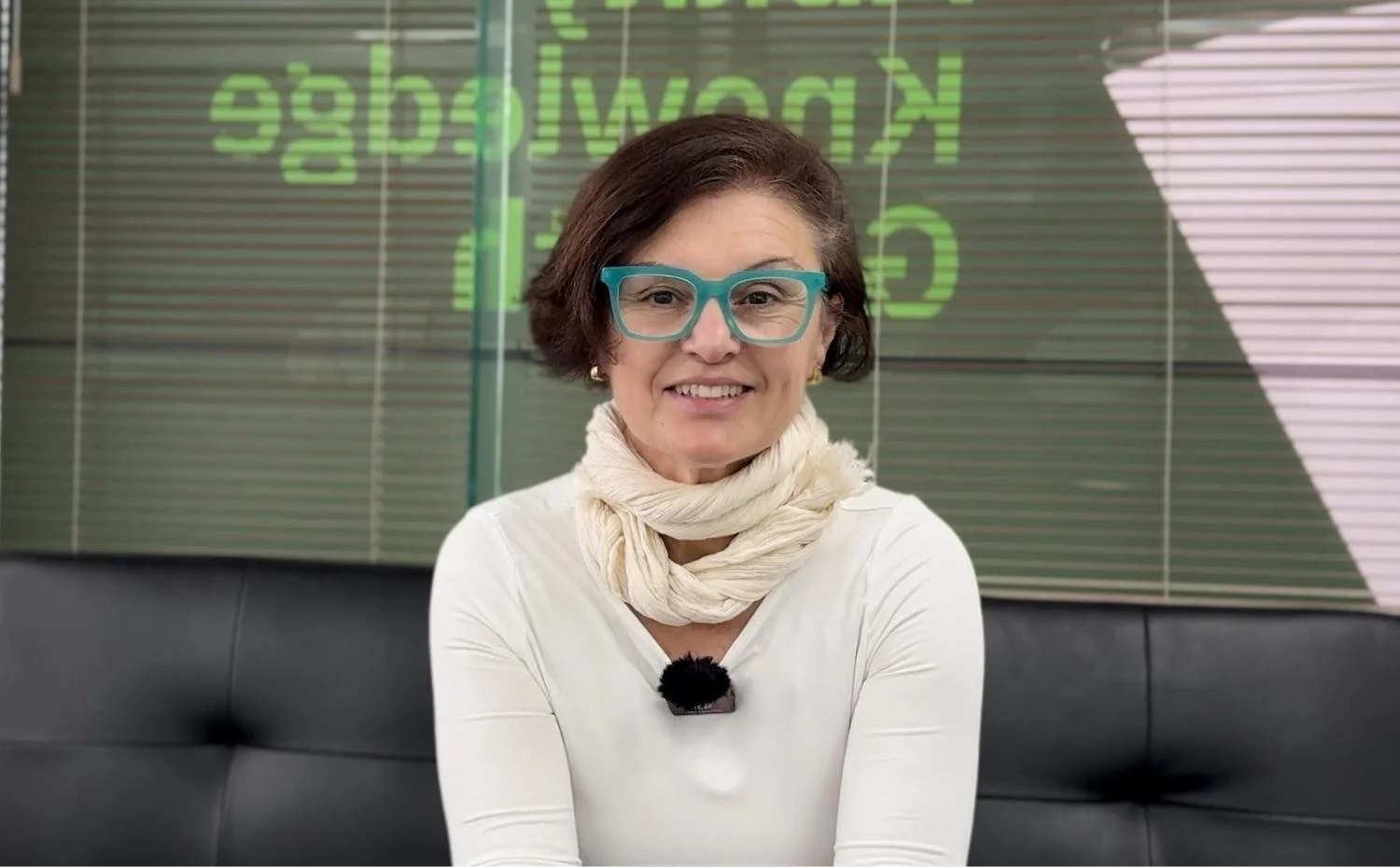
Ipek spent years working as a flight attendant. When she started looking for work that would fit better with her family life, she faced a common problem: her job title didn't obviously point anywhere outside the airline industry.
Through our Digital Literacy Short Course, Ipek worked with course facilitator Paul, who took the stress out of using digital tools. Together they looked at how job platforms actually work and how to search them more strategically.
The result? Ipek discovered new industries she hadn't considered before, where the skills she built in the air are just as valuable on the ground.
Ipek's experience shows something we see repeatedly. Career changers often have far more options than they think. They just need the tools to find them.
About our Digital Literacy Short Course
Our Digital Literacy Short Course helps participants build the practical digital skills needed for today's job market, including how to expand and enhance their search options and approach online job hunting more strategically.
Participants learn to:
Understand how job platforms and matching algorithms work
Build and adapt search keywords to uncover more relevant roles
Explore industries and roles they may not have considered
Use digital tools with confidence, supported by an experienced facilitator
Register your interest in the Digital Literacy Short Course.