
How the SEE Program Helped One Learner Reach Her First English Literacy Milestone
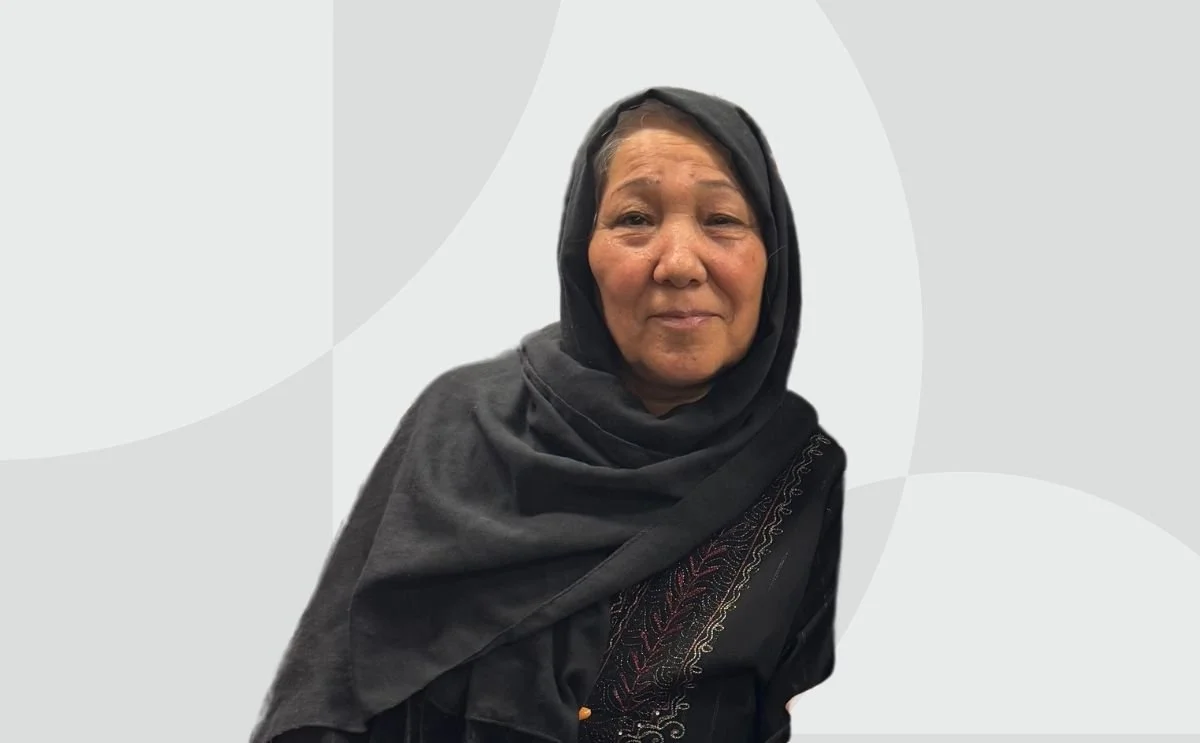
Starting the SEE Program with Limited English
When Zubeida began the SEE Program, she had very limited English. She communicated through gestures — pointing, miming, and reading the faces of the people around her to be understood.
For adult English learners at this stage, every interaction requires a workaround. Communication is effortful, incomplete, and dependent on the patience of others. Tasks most people complete without thinking — filling in a form, confirming an appointment, asking a question at a service counter — become obstacles.
This is where many SEE Program participants begin. It is also where structured foundation skills training makes the greatest difference.
An English Literacy Milestone That Changes Everything
Now, Zubeida can write her own name.
This might sound small, but it's significant.
Writing her own name represents identity and dignity. It gives her autonomy and independence across many everyday tasks, including:
Signing documents
Registering for services
Completing forms without assistance
Verifying her identity in person and in writing
Why Writing Your Own Name Builds Confidence
For Zubeida, writing her name independently signals that literacy is now within reach. Self-efficacy — a person's belief in their own capacity to succeed at a given task — is built through tangible, achievable wins. Each success makes the next step feel possible.
That shift in belief is often what carries an adult English learner from their first written word to their first job application. Foundation skills training works not only by teaching content, but by rebuilding a learner's sense of what they are capable of.